
Qualmark
We work with Qualmark-certified partners (accommodation and excursions), ensuring high standards of quality, safety, and visitor experience. This certification also requires them to follow strict sustainability practices, including protecting the environment and supporting local communities.
Travelife
We are a member of Travelife and we have started the process to work step by step towards complying with international sustainability standards.
Click here to read our full policy.
Once Upon a Trip places sustainable development at the core of its business model. The company is committed to designing travel experiences that generate positive impacts on the environment, wildlife, and local communities, while encouraging travelers to adopt more responsible practices.
At Once Upon a Trip, we believe tourism can be a powerful force for good—supporting communities, protecting the environment, and celebrating local cultures.
Our mission is to offer authentic and responsible travel experiences while contributing to a more sustainable future in New Zealand and the Pacific Islands.
Internally, we reduce our use of natural resources, operate with fully digital travel documents, minimize waste, and prioritize local purchasing. We promote fair and inclusive working conditions, including a 36-hour work week paid as 40 hours, fair salary adjustments, and ongoing sustainability training.
In our community engagement, we support local development, promote cultural experiences, and share the Tiaki Promise to encourage respectful travel. Our supply chain prioritizes locally owned and Qualmark-certified providers, and we encourage partners to improve through a sustainability scan. For our clients, we communicate transparently about the International Visitor Conservation and Tourism Levy (IVL), offer responsible travel tips, and highlight sustainable initiatives.
Over the next 2–5 years, we aim to fully integrate sustainability across all operations, strengthen our positive impact, reduce tourism leakage, and collaborate with aligned partners while maintaining transparency with all stakeholders.
Supporting Wildlife Conservation: Pohatu Penguins
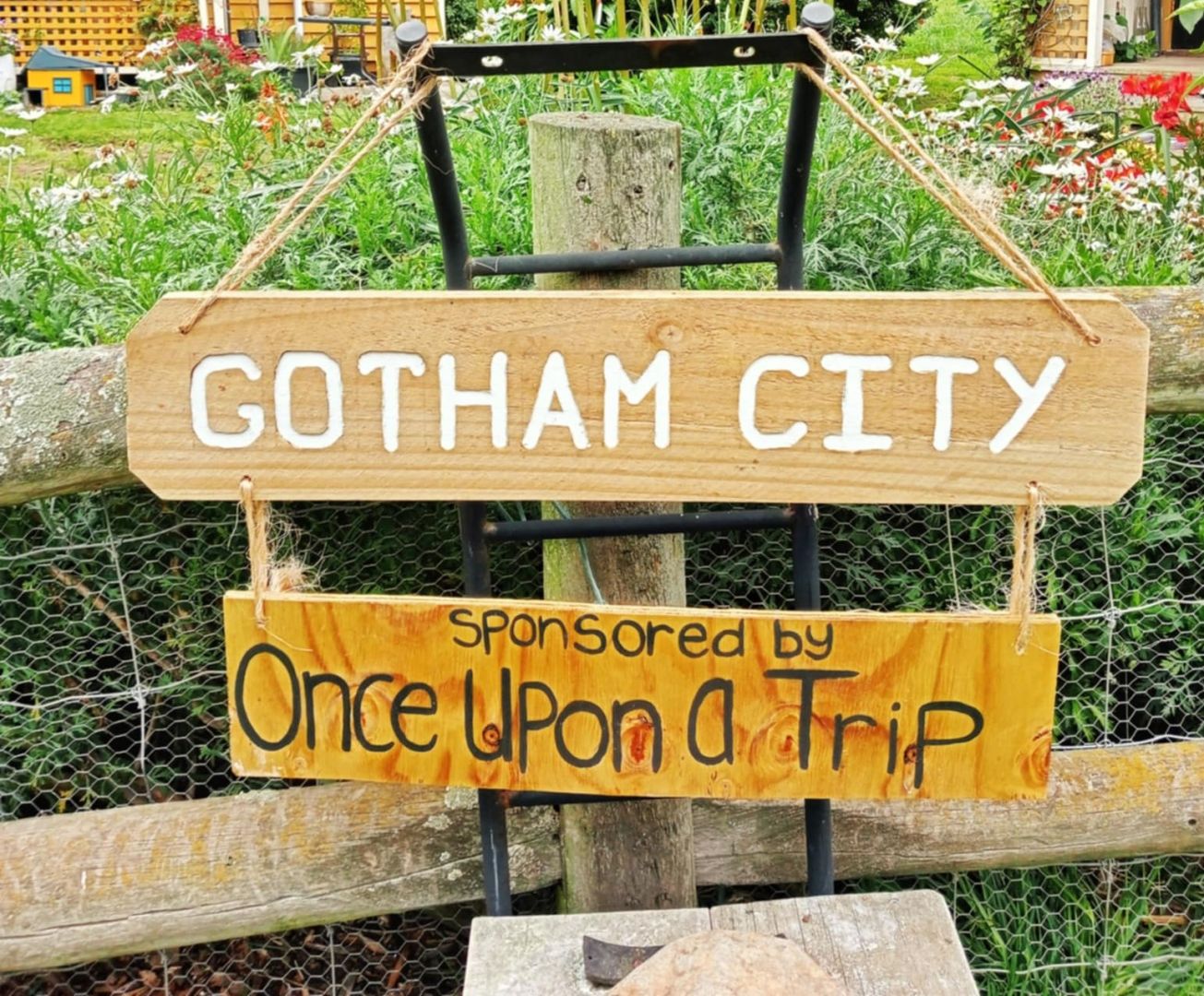
Once Upon a Trip actively supports Pohatu Penguins, a well‑established conservation organisation dedicated to protecting the little blue penguin (kororā) and its natural habitat in New Zealand.
Our Concrete Contribution
Our support goes beyond simply sending business to the organisation:
Annual financial donation:
Our donation to Pōhatu Penguins directly supports a wide range of essential conservation activities. As confirmed by the organisation, our financial contribution helps fund nesting box materials for little blue penguins and other native bird species, ensures the rehabilitation of injured penguins (including food, veterinary care, and maintenance of rehabilitation facilities), and supports predator control programmes, covering equipment, upkeep, and trappers’ wages.
In addition, our donation contributes to the reforestation of Pōhatu’s protected covenants, including tree planting and track building, backs penguin conservation research projects, and enables staff training initiatives such as trapping workshops, rehabilitation workshops, and penguin symposiums. It also helps fund educational programmes for school groups, raising awareness about wildlife conservation among younger generations.
Through this support, Once Upon a Trip ensures that its financial contributions translate into measurable, on-the-ground impacts for wildlife protection, habitat restoration, research, and education, reinforcing our commitment to responsible and conservation-led tourism.
Business-generated support: We prioritise Pohatu Penguins in our itineraries, directing travelers to their responsible, conservation-focused experiences.
Traveler donations: When Once Upon a Trip needs to refund travelers following a cancelled service, we actively encourage them to donate the remaining balance to Pohatu Penguins. Many travelers choose this option, allowing their trip to have a direct positive impact even when plans change.
This approach creates a simple and transparent way for travelers to contribute meaningfully to wildlife conservation.


Supporting Canopy Conservation Trust
The Canopy Conservation Trust (CCT) is a registered charitable trust in New Zealand dedicated to restoring and protecting the biodiversity of the Ōkoheriki forest, located within the Dansey Road Scenic Reserve near Rotorua. The Trust works in close partnership with the Department of Conservation (DOC) and with mana whenua Ngāti Tura and Ngāti Te Ngākau, acknowledging their enduring relationship with this ancestral land.
Established in response to severe ecological pressure caused by introduced predators, the Trust delivers a long-term conservation programme focused on predator control, biodiversity monitoring, forest restoration, and, when ecological conditions allow, the staged translocation of native species. A unique feature of the site is the existence of two comparable forest areas within the same ecosystem: one actively managed as a conservation sanctuary, and one deliberately left unmanaged. This rare configuration allows for robust, evidence-based measurement of conservation outcomes over time.
After more than a decade of sustained effort, the managed forest shows clear ecological recovery, including improved forest structure, consistently low predator presence, the return of diverse native birdlife, abundant long-tailed bats, the discovery of multiple species new to science, and significantly higher soil carbon storage compared with the unmanaged forest. The Trust also plays an important role in education and public engagement, sharing credible conservation evidence, outcomes, and learnings with partners, stakeholders, and the wider public.

Once Upon a Trip’s Commitment
Once Upon a Trip actively supports this conservation initiative, sharing the belief that tourism can be a powerful force for positive environmental impact. This support is delivered in two key ways:
Business contribution: by promoting and supporting responsible tourism experiences linked to conservation, Once Upon a Trip helps generate sustainable economic activity that directly supports on-the-ground environmental protection.
Client-led donations: travelers are given the opportunity to contribute financially, with donations channeled directly to the Canopy Conservation Trust to fund its restoration, protection, and scientific monitoring work.
Through this approach, Once Upon a Trip contributes to a model of responsible and regenerative tourism, supporting biodiversity conservation, local communities, and the long-term protection of New Zealand’s unique natural ecosystems.
Transport
From and to the airports
We acknowledge that transport to and from airports contributes significantly to greenhouse gas emissions. While international flights are outside our scope, we focus on making destination airport transfers more sustainable.
Approximately 95% of our transfers are carried out by a New Zealand‑owned transport provider with strong sustainability commitments, including a net‑zero emissions target by 2030, access to electric and hybrid vehicles, and emissions reporting. The remaining transfers are handled by a shared‑ride shuttle service, which helps reduce emissions per passenger.
In addition, we ensure vehicles are appropriately sized for each group to avoid unnecessary fuel consumption. Overall, these practices contribute to reducing transport‑related emissions and align with our sustainability objectives.
Local transports
Local transport plays a key role in our trips and is one of our most effective ways to reduce carbon emissions. We prioritise active and low‑impact transport, such as walking and cycling, and promote public transport for city travel where appropriate.
When motorised transport is required, we ensure vehicles are appropriately sized and work with a preferred car‑rental partner recognised for strong sustainability credentials, including carbon‑neutral certification, a low‑emission fleet (electric and hybrid vehicles), and carbon‑offset options.
Overall, these choices help reduce reliance on motorised transport, lower the carbon footprint of self‑drive holidays, and provide measurable climate action through reduced emissions and offsetting.
Public Transport Encouragement
Whenever possible, we encourage you to use public transport, especially for short transfers between airports or between an airport hotel and the airport itself.
Souvenirs
We do not allow the purchase of souvenirs containing threatened flora and fauna species, any illegally obtained historic/archaeological artefacts, drugs or illegal substances, and abide by local and international laws in place to prevent this.
New Zealand has very strict biosecurity and customs rules, so many common souvenirs are forbidden or tightly restricted: items made from animals (such as ivory, bone, shells, coral, feathers, furs or hunting trophies), most food products (including meat, dairy, honey, fruit and vegetables), plant materials (seeds, bulbs, dried flowers), sand or soil, and untreated natural items like wooden carvings or straw‑filled crafts are often prohibited or require inspection and permits; weapons and some knives are also restricted. If an item could come from an animal, plant, or the natural environment, it should generally not be brought in unless explicitly approved, and anything uncertain must be declared to avoid fines or confiscation.
Sustainable excursion policy
Excursions and attractions involving captive wildlife are not offered, except in cases where the activity is strictly regulated and fully compliant with all applicable local, national, and international laws. Any excursion that includes wildlife interactions must adhere to recognised codes of conduct to ensure the highest standards of animal welfare. Furthermore, providers must minimise any disturbance to natural ecosystems, ensuring that activities operate with the utmost respect for wildlife and their habitats.
Wildlife species are not harvested, consumed, displayed, sold, or traded, except as part of a regulated activity that ensures that their utilization is sustainable and in compliance with local, national and international law. The supplier does not promote souvenirs or food that contain threatened flora and fauna species as indicated in the CITES treaty and the IUCN ‘Red List’. Should any such criminal behavior come to light, Once Upon a Trip reserves the right to terminate the contract without notice.
Excursions that include interactions with animals comply with relevant codes of conduct. Taking into account cumulative impacts of wildlife tourism, activities shall not lead to any adverse effects on the viability and behavior of populations in the wild. Disturbance of natural ecosystems shall be minimized, rehabilitated, and compensated by a contribution to conservation management.
Exploitation
We oppose all forms of exploitation and harassment, including forced labour, child labour, human trafficking, and sexual exploitation. We are committed to protecting the dignity, safety, and human rights of all individuals, with particular attention to the well-being of children and adolescents. We expect all employees, partners, clients and stakeholders to uphold these values and oppose any form of exploitative practices in their interactions and business conduct. Suspected violations should be reported to relevant authorities.


.jpg)



What our customers have to say
We had a brilliant time on the Routeburn and the organisation with the huts and transport went like clockwork. Many thanks for all of your support and...
Steve Williams, UK
Booking through OUAT was very straightforward. You accommodated our requests and made sensible suggestions to our busy itinerary to make sure that we got...
Susan Rogers, UK
Once Upon a Trip have been an amazing company to deal with. We are particularly thankful for the clear, friendly and prompt communication from Romain who...
Wayne & Gabrielle, Australia